
The Best Float Fishing Reels (Full Guide On Choosing Top Coarse Fishing Float Reels) 2026
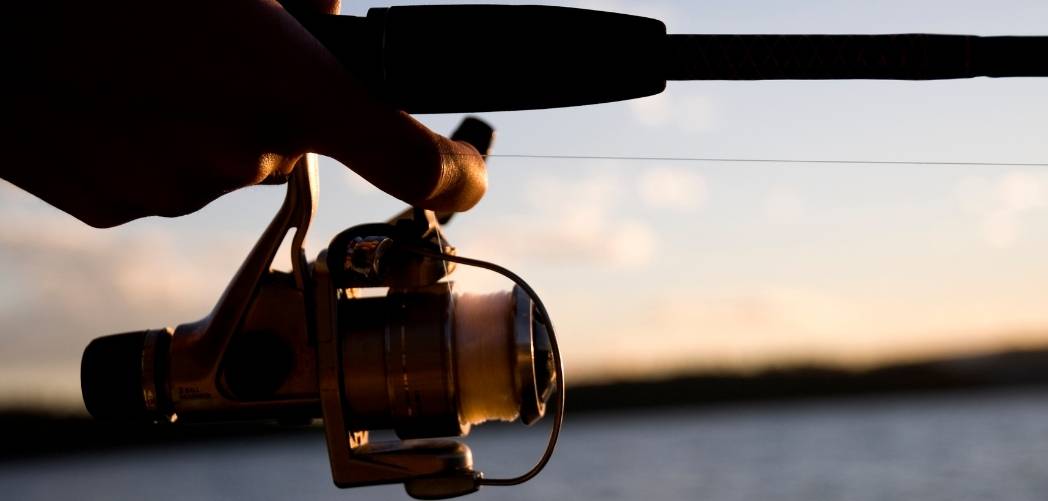
The best float fishing reels will allow you to cast a light float with pinpoint precision and reap the benefits when you are reeling in.
This article will look at what goes into the best float fishing reels and details some great choices.
Quick Answer
The Shimano Aero Reel is my top overall pick because it is built for float and feeder anglers alike, and its waterproof front drag and cold-forged AR-C spool handle a season on the bank without fuss.
For better value, my starting point would be the Daiwa 23 Matchman Reel. The table below matches each reel to the budget level and style of float fishing where it makes most sense.
| Best for | Reel | Best suited to | |
|---|---|---|---|
| Premium (£100+) | |||
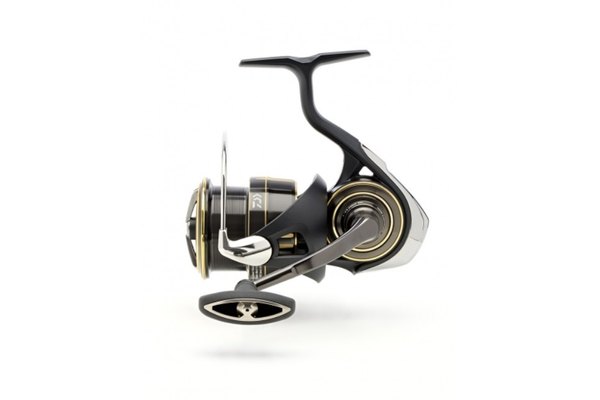 | Best Premium | Daiwa 25 Tournament Match JP LTD Reel | Anglers chasing the finest float reel Daiwa build and happy to pay for Japanese engineering they will never fully need. |
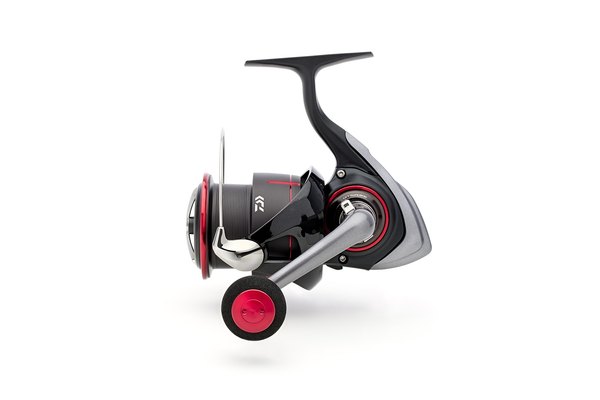 | Best Match Upgrade | Daiwa 25 TDM Reel | Anglers stepping up from a first match reel who genuinely fish the feeder as often as the float. |
| Mid-range (£45-£100) | |||
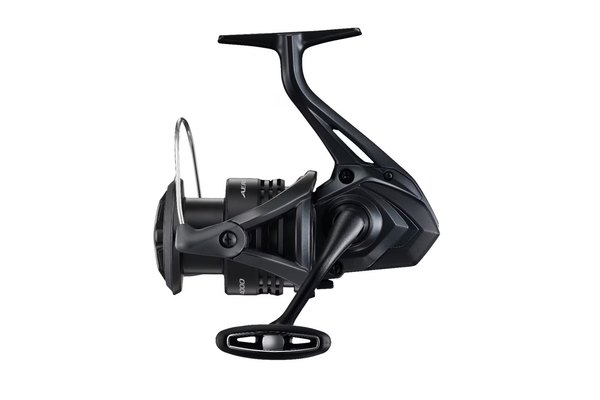 | Best Overall | Shimano Aero Reel | Anglers who split a season between float and feeder and want one reel that will play fish off the clutch or on the backwind. |
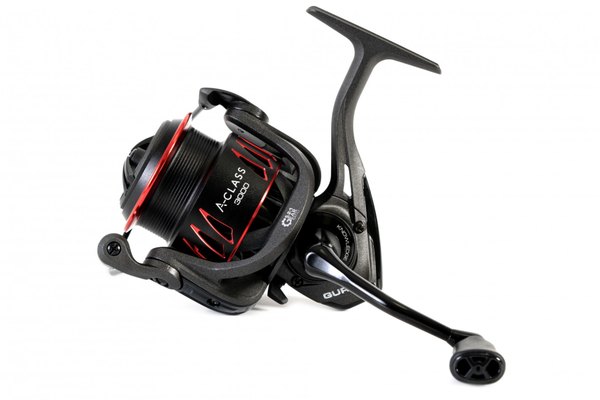 | Best Value | Guru A-Class 3000 Float Reel | Anglers on smaller venues who want a compact, finesse-minded reel for delicate float setups without spending big. |
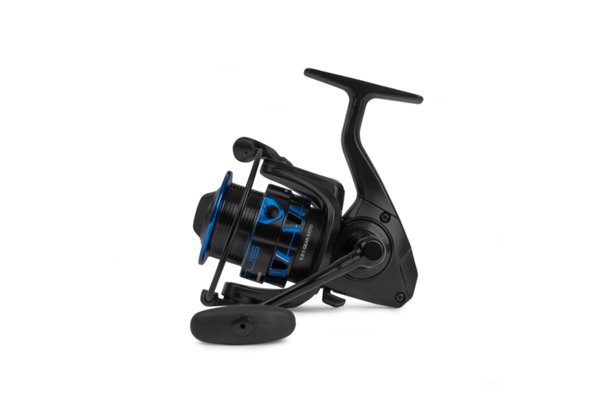 | Best for Light Waggler Work | Preston Invictus Reel | Anglers fishing snake lakes and short waggler lines inside 40m who want the small 320 size rather than a distance reel. |
| Budget (under £45) | |||
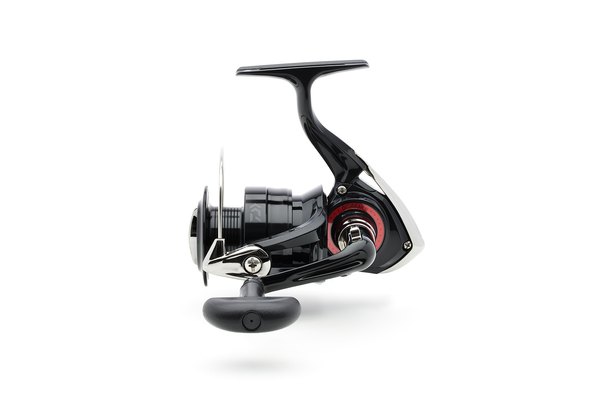 | Great Budget Pick | Daiwa 23 Matchman Reel | Anglers on a tight budget who prefer to backwind and want a simple, honest reel for club-water float sessions. |
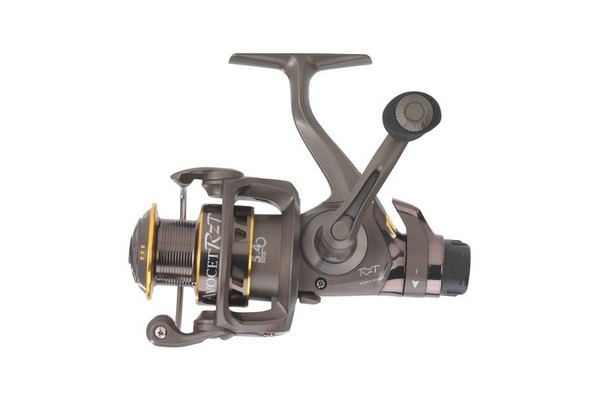 | Best Rear Drag | Mitchell Avocet RZT RD Reel | Anglers who want the clutch adjustable at the back of the reel while a fish is being played, at the cheapest money here. |
What Are The Different Types Of Float Fishing Reel?
You’ll find lots of reels for float fishing and it really can be a minefield when trying to decide on what reel to purchase.
Whether you are looking for something that spills the line easily as you trot on moving water or something that is designed to let you cast an ultra-light pellet float fly like a dart, there will be something for you.
There are a host of manufacturers out there all vying for the top spot. Shimano reels have a great reputation, but they may be a little on the pricey side. The best float fishing reel doesn’t have to break the bank however, it is how it performs that matters.
So when it comes to choosing a float fishing reel you are looking at a few options. Do you want a closed faced reel or an open faced one? Do you prefer a front drag or a rear drag? Do you want a lightweight, small reel or a larger more heavy duty float fishing reel?
Open Faced vs Closed Faced Reels
The main difference between an open faced and a closed faced reel is that the line is exposed with an open face and encased within a closed face. In a closed faced reel the line passes through a hole in the casing and when you cast you press a button to release the line.
Closed faced reels tend to be easier for beginners and especially children when learning the sport. There are less of them around though and tend not to be the best option for longevity and can also limit casting distance and accuracy at times.
Examples of an open faced & closed faced reel:


Small Reel vs Large Reel
Whether you choose a small, compact reel or a large, heavier reel will largely come down to what type of fishing you will be using it for. For float fishing, the likelihood is that you will not be casting far out. As such, a smaller, more lightweight reel will be the best choice.
What is always important when choosing the best float fishing reel for your circumstances is balance. A lightweight setup with a light float rod with a light float and light line will better be balanced with a light reel. The same then goes with the contrary.
Front Drag vs Rear Drag
The drag (sometimes know as the clutch) basically allows line to be released from your reel when a certain degree of pressure is applied. The amount of pressure required to release is determined by the setting of the drag.
This drag system can be either on the top of the reel (on the spool) or at the bottom of the reel. There really is no hard and fast rule as to which type is better. What drag you choose really does come down to personal preference.


What to Look For In The Best Float Fishing Reel?
When choosing the best float fishing reel, it pays to give a little careful thought to what you are trying to achieve. As a foregone, you will no doubt be looking for the perfect float presentation in the right spot every time. Here are some things that we think are key qualities: -
A Shallow Spool
Most floats do not weigh a lot, even when you have added split shot. As a result, you want something that will allow the line to flow freely during the cast. Anything that catches or makes this less efficient will lead to a reduction in distance and accuracy.

Capacity
There’s a good chance that you will be using a sinking mono when float fishing. This can sometimes have a slightly larger diameter. If you are filling a spool, this soon adds up.
The best way to counter this, while still ensuring that you have sufficient line to battle the fish is to make sure that you have decent capacity on your spool.
Drag Control
When float fishing, you’ll want to go as light as possible when it comes to the line. Subsequently, it has never been more necessary to be able to push it to the limit when it comes to pressuring the fish.
The best way to get every last ounce of pulling power out of your rod and reel setup is an easy to use, and ultra-fine, drag control.
A Fast Retrieve
Watch the best pole fishermen, and they’ll be a constant conveyor belt of landing fish. You want to mirror them and be able to get your line in, and out, quickly.
The best way to achieve this is with a fast retrieve. By minimising the time spent reeling in you’ll be saving time for more important things, like actually fishing.
Anti-twist technology
Depending on your rig and setup you may find that your line spins on the retrieve. Knots and tangles are both things that will destroy bait presentation (and lose you fish). The best float fishing reels will allow you to reel in twist-free.
A Compact Body
Think about it. A huge baitrunner, even when paired with a really great float rod, would be slightly mismatched. The best float fishing reels will be light enough to pair up with a match fishing rod without making it cumbersome or too heavy.
Unlike with the best feeder reels, you need to think quick and responsive. This is best served by a reel with a relatively low profile.
Anti-Reverse
The last thing you want to do is lift into a fish and in the excitement wind the wrong way. Aside from losing fish, this is also going to result in a nasty tangle. You’ll find that the best float fishing reels will come fitted with an infinite anti-reverse feature as standard.
What Is the Best Reel For Pellet Waggler Fishing?
Using float fishing tactics with a pellet waggler is becoming more and more popular in the world of coarse and carp fishing.
This is even more so on a warm summers day when the fish are up in the water in a feeding frenzy. As such, the question of what is the best reel for pellet fishing often gets asked.
In all honesty, the main impact a reel choice would have for any type of fishing is with balance. As previously stated, balance is key for all your fishing gear to work in unison.
If you are fishing the pellet waggler for carp you maybe using a more heavier duty rod than a standard match, float rod.
If this is the case then the reel you choose should be more heavy duty than a general coarse fishing reel aimed mostly at silver fish. On the other hand, if you enjoy the excitement of fishing for larger fish on lighter gear, then a smaller, lightweight reel will be the order of the day.
Our choice for the best float fishing reel is the Preston Innovations Magnitude Match Reel. This reel is extremely versatile and will absolutely fit the bill when fishing the pellet waggler.
Can I Use a Spinning Reel for Float Fishing?
Another question that gets asked a lot... Yes, you could use a spinning reel for float fishing. You could also go ballroom dancing in a pair of wellington boots, but it is fair to say that you’ll give a less than stellar performance.
Reels aren’t created equal. Whilst you could technically use a spinning reel for float fishing you won’t be getting the most out of your setup. By using something that isn’t purpose-designed, your bait presentation, and therefore your catch rate, is going to suffer.
Even the best float fishing reels aren’t super expensive, why not invest a little in something that is fit for the job and you’ll get plenty of use out of?
What’s the Best Float Fishing Reel Line
The best float fishing reel line should be low visibility with enough strength for the job. Remember you are going to be fishing light, with a smaller more compact reel so you’ll want to throttle down on the breaking strain. For this reason, it has to be stretchy too!
For the money we find Maxima Chameleon to be a great choice for float fishing reels. Whilst brown in colour it is practically invisible when submerged. It also sinks well, which is a vital quality when spooling up a float fishing reel.
The Best Float Fishing Reels Reviewed
Shimano Aero Reel
#1 Best Overall
Playing a fish straight off the clutch on one rig and backwinding on the next is what wins the Aero my top slot. Shimano give it a waterproof front drag and a separate anti-reverse facility, so both ways of dealing with a fish are on tap from the same reel, and it sits in the middle of the Aero Match range rather than at the cheap end of it.
It's built for float and feeder alike, which is honestly how most of my seasons go: waggler through the warm months, feeder when the weather turns. The handle screws straight into the main gear instead of folding away, and that directness on the retrieve is something I notice most when a good fish is kiting across the swim.
Inside the XT-7 G Free body sit Shimano's Hagane Gear and X-Ship system, with Silent Drive smoothing the whole assembly. The AR-C spool is cold forged aluminium and casts the cleaner for it, and there's a round metal line clip for dropping a float on the same spot twice. Every model comes with a line reducer, so shallowing the spool to suit mono or braid costs nothing extra.
The honest snag is a sizing one. Shimano's copy talks about three sizes, C3000, 4000 and C5000, but only the 4000 and C5000 are actually on the shelf, so an angler set on the smallest option is out of luck and the 4000 becomes the lightest choice. It's mid-range within its own family too, so the dearer Aero models beat it on outright refinement.
Best suited to
Anglers who split a season between float and feeder and want one reel that will play fish off the clutch or on the backwind.
Pros
- Waterproof front drag plus a separate anti-reverse
- Cold forged AR-C spool casts cleanly
- Line reducer and metal line clip included
Cons
- Only the 4000 and C5000 are actually stocked
- Mid-range within the wider Aero Match family
Daiwa 25 Tournament Match JP LTD Reel
#2 Best Premium
Every guide needs one reel that exists to be wanted rather than needed, and this is mine. The 25 Tournament Match JP LTD is a limited edition designed and built entirely in Japan, and Daiwa pitch it squarely at the float angler: ultra light, and suited to all float fishing techniques rather than doubling as a feeder tool. Nothing else in this line-up is so single-minded about what it is for.
What the money buys on the bank is control with fine line. The ATD Type-L drag is designed to run smooth and progressive, and Daiwa build it specifically for use with thin lines, which is the difference between landing and losing a good fish on a light hooklength. Sitting alongside it is an anti-reverse for immediate, precise manual control, so backwinding stays open whenever the clutch is not the right answer. Light tackle stops feeling like a gamble.
The body is a magnesium alloy monocoque, so the lightness arrives with real structural strength behind it rather than flex, and the gears are G1 Duraluminium for power transmission that holds up under heavy loads. Rotor, bail and drive shaft are each built to Daiwa's Airdrive Design, which strips weight and smooths the movement. The sizing guide is float-only and tells the story on its own: the 3000 for waggler and short range work, the 4000 for mainstream styles and long trotting on open water, the 5000 for bigger float set ups.
The catch is blunt, and worth saying plainly. This is by a distance the dearest reel in the guide, and it is far more reel than most float anglers will ever need. It will not catch fish the mid-range picks here would miss, and being a limited edition it's a finite thing rather than a range to grow into. I'd own one because it's beautifully made, not because the fishing demands it.
Best suited to
Anglers chasing the finest float reel Daiwa build and happy to pay for Japanese engineering they will never fully need.
Pros
- Magnesium alloy monocoque body, seriously light and strong
- ATD Type-L drag built for fine lines
- Float-only sizing from waggler work to long trotting
Cons
- By a distance the dearest reel here
- Far more reel than most float anglers need
Daiwa 25 TDM Reel
#3 Best Match Upgrade
TDM has always been the range where Daiwa slide features down from reels sitting higher in the line-up, and the 25 does it again: Airdrive Design, a drop in weight and a bump in bearing count over the reel it replaces. That makes it the natural upgrade for someone who has worn out a first match reel and wants a proper step up without going anywhere near halo money.
One thing needs saying straight, because it decides whether this reel is the right buy: the range serves float and feeder work alike. This is a genuine dual-purpose reel, not a float specialist dressed up as one. The QD quick drag gives it away. It lets the clutch be set to allow running takes, which is an open-water, bigger-fish feature far more than a waggler one, and the metal HIP line clip sitting alongside it is there for distance control.
It's built around an Aluminium HardBodyz metal body, and that's where the winding power and the smoothness under load come from. Over the top of it sits the superlight DS5 Airdrive Rotor, so the retrieve feels close to weightless while the body does the actual work. Digigear II and Twistbuster III look after the gearing and the line lay, the twin lipped LC spool manages line release whether it's mono or braid on there, and the one touch folding handle means the reel can live on a made-up rod and still pack down in seconds.
The honest trade-off circles back to that dual purpose. An angler who fishes nothing but the float is paying for feeder-leaning kit, the QD drag most of all, that may never earn its keep on a waggler rod. Sizes run from the 2508QD up to the 4012QD with a double-handle 3010QD-DH in between, and this is premium money, so the value case only really lands for somebody who honestly does both.
Best suited to
Anglers stepping up from a first match reel who genuinely fish the feeder as often as the float.
Pros
- Aluminium HardBodyz metal body for winding power
- Superlight DS5 Airdrive Rotor on the retrieve
- One touch folding handle suits made-up rods
Cons
- Dual-purpose, so pure float anglers pay for feeder features
- Premium money for a mid-tier match reel step-up
Guru A-Class 3000 Float Reel
#4 Best Value
Compactness is the entire pitch of the A-Class 3000, and it's why it takes best value here. This is the smallest reel in the A-Class family, built for the lighter end of float work where balance, control and finesse count for more than muscle ever will.
On smaller venues, over shorter casts and with more delicate setups, a small body like this sits under a match rod properly instead of hanging off the end of it. The soft-touch T-shape handle knob stays comfortable deep into a long session, and the thick wire bail arm feels a good deal sturdier than the money involved would suggest.
Body and rotor are both lightweight, while the spool and handle are aluminium, which lifts the whole thing above the plastic-everything reels it competes with. Fish-playing control comes from an infinite anti-reverse system paired with a smooth multi-disc drag, so the pressure stays even and predictable right through a fight rather than grabbing at the wrong moment.
The frustration with this one is on paper rather than on the bank. Guru publish no gear ratio, no bearing count and no line capacity for the A-Class 3000, so anybody who likes comparing spec sheets before buying has nothing at all to compare, and has to take it on feel and reputation instead. It's firmly a light-work reel too: for longer chucks, the bigger 4000, 5000 and 6000 models in the range are the sensible call.
Best suited to
Anglers on smaller venues who want a compact, finesse-minded reel for delicate float setups without spending big.
Pros
- Compact body balances nicely on a light match rod
- Aluminium spool and handle at a modest price
- Infinite anti-reverse with a smooth multi-disc drag
Cons
- No published gear ratio, bearing count or line capacity
- Built for light work, not longer casts
Preston Invictus Reel
#5 Best for Light Waggler Work
Snake lakes and short waggler lines are where the Invictus 320 belongs. The Invictus comes as a 320, a 420 and a 520, and the 320 is the one I'd put in the hands of a light-float angler: Preston rate it for shorter casts up to 40m and call it out specifically for light waggler setups and snake lake fishing. That 40m figure is the honest boundary of what this size is for.
Inside that range, on a snake lake or tight against a far bank, a small reel like the 320 is a genuine pleasure to fish with. It's light and compact, the single-handle design keeps things uncomplicated, and the optimized line capacity spool takes a sensible amount of light mono without needing a mountain of backing underneath.
The spool is precision-machined aluminium and the front drag is micro-adjustable, which is exactly what light waggler fishing asks for: small, fine changes to the clutch on fine line, not big handfuls of adjustment. The metal line clip stands up to a session of clipping and unclipping far better than the plastic ones on cheaper reels.
The trade-off is the body. It's a durable, impact-resistant graphite rather than the aluminium of the dearer reels here, and while that keeps the weight down, it won't be as rigid under a serious load. That, and the 40m ceiling, is why I'd keep the 320 for light float work and move up the range for anything asking for real distance.
Best suited to
Anglers fishing snake lakes and short waggler lines inside 40m who want the small 320 size rather than a distance reel.
Pros
- The 320 size is spot on for light waggler and snake lakes
- Micro-adjustable front drag suits fine line
- Machined aluminium spool and a metal line clip
Cons
- Graphite body is less rigid than aluminium rivals
- The 320 runs out of range beyond about 40m
Daiwa 23 Matchman Reel
#6 Great Budget Pick
A small lever on the underside, tucked in behind the rotor, is the thing I like most about the Matchman. It disengages the Infinite Anti-Reverse, so an angler who would rather backwind than trust a clutch can switch the clutch out of the equation entirely. At this money, that's a genuinely useful bit of choice.
The 2500 is the size worth having for float work. Daiwa rate it for light feeder and most float work, which covers a waggler rod on a club water comfortably. The one touch folding handle means it can stay on a made-up rod in the quiver.
The specification is plain and doesn't pretend otherwise: a DS4 carbon composite body and rotor, an aluminium spool, with Digigear 2 and Twistbuster handling the gearing and the line twist. At this end of the market that's exactly the right kind of honesty.
The give-away is the bearing count. Three is modest, and a reel with more will feel smoother out of the box and stay that way longer. The composite body isn't as rigid under load as metal either. Both are fair swaps down here, but they're why it sits at this end rather than further up.
Best suited to
Anglers on a tight budget who prefer to backwind and want a simple, honest reel for club-water float sessions.
Pros
- Anti-reverse disengages via a lever for backwinding
- The 2500 size suits most float work
- One touch folding handle for made-up rods
Cons
- Only three bearings, so it feels less smooth
- Carbon composite body flexes more than metal
Mitchell Avocet RZT RD Reel
#7 Best Rear Drag
This is the only rear-drag reel in the guide, and that is precisely why it survived the rebuild. The clutch sits at the back of the body, so it can be nudged tighter or slacker mid-fight with the hand already resting there, rather than reaching over a spinning spool while a fish takes line.
Of the two sizes offered, the 2000 is the one I'd put on a float rod, and that is my call rather than Mitchell's: their page sells the Avocet as a broad series and never breaks it down by job. What they do specify is that the rear-drag version gets their Rapid Drag System. For anybody who fishes the drag rather than backwinds, having the adjustment under a thumb is a real advantage on light gear.
The rotor is Mitchell's Halo design, which they build for strength, and there are 7+1 bearings, a generous count at this end of the market. The spool is anodized aluminium and the drag a greased felt multi-disc, with Instant Anti-Reverse listed alongside them.
Rear drag has fallen out of fashion, and that's the honest context. Almost every modern match reel is front-drag now, so this is a deliberate choice rather than a default. Greased felt is also less refined than a sealed waterproof drag, and it wants an eye kept on it across a wet winter.
Best suited to
Anglers who want the clutch adjustable at the back of the reel while a fish is being played, at the cheapest money here.
Pros
- Rear drag adjusts easily while playing a fish
- 7+1 bearings is generous at this price
- Halo rotor and an anodized aluminium spool
Cons
- Rear drag is out of step with modern match reels
- Greased felt drag is not sealed against the wet
Float Fishing Reel FAQs
Still weighing up which reel to put on the float rod?
These are the questions worth settling first.
What size reel is best for float fishing?
Most float fishing is covered by a 2500 to 4000 size reel. A 2500 or 3000 suits waggler and short range work on smaller venues, where a light, compact body balances a match rod properly instead of making it feel top heavy. A 4000 makes more sense for mainstream styles, open water and long trotting, and a 5000 only really comes in for bigger float set ups on stronger tackle. Bigger is not better here: the reel wants matching to the rod and the range being fished.
Is front drag or rear drag better for float fishing?
Front drag is the modern standard, with the adjuster sitting on top of the spool, and it tends to be smoother and better sealed against the weather. Rear drag puts the dial at the back of the body, which makes it much easier to slacken or tighten the clutch while a fish is already being played. Neither is wrong. Anglers who like to fine-tune mid-fight often prefer rear drag, while anybody fishing very light hooklengths usually wants a good front drag. A reel with a disengageable anti-reverse sidesteps the question by allowing backwinding instead.
Can a normal spinning reel be used for float fishing?
It can, and plenty of anglers start out exactly that way, because an open-faced spinning reel is the same basic tool. The difference is in the detail rather than the design. A dedicated float or match reel is usually lighter, carries a shallower spool that suits fine mono without heaps of backing underneath, has a smoother drag for light lines, and often adds a line clip for casting to the same spot every time. A general spinning reel will catch fish, but it tends to feel heavier and cruder on a match rod.
What line should go on a float reel?
A light mono is the usual choice for the float, because a little stretch is forgiving on the strike at close range, while braid is more at home on the feeder. The spool wants to suit the line rather than fight it, which is why shallower match spools help and why some reels, the Shimano Aero included, ship with a line reducer to fill the spool properly without wasting a whole bulk spool. Filling to just below the spool lip lets the line leave cleanly on the cast without spilling off in coils.
Final Thoughts
Float fishing is all about finesse. As you’ll already know, being successful at fishing is about consistency, and this is never truer than when float fishing.
The best float fishing reels will allow you to land your bait delicately and accurately time after time, and bring it in quickly and efficiently, ready for the next cast.
Thanks for reading...
Tight Lines!
Related Articles...

The Best Feeder Reels
A number of factors go into the best feeder reels. In this article, we’ll look at a couple of really good options that should help to get a bend in your rod and plenty of fish on the bank.

Best Float Fishing Rods
In this article we are going to look at exactly what goes into the best float fishing rods and how you can make the best choice.

Best Feeder Rods
This article runs through some essential features found in the best feeder rod for coarse fishing that should help you up your catch rate significantly.